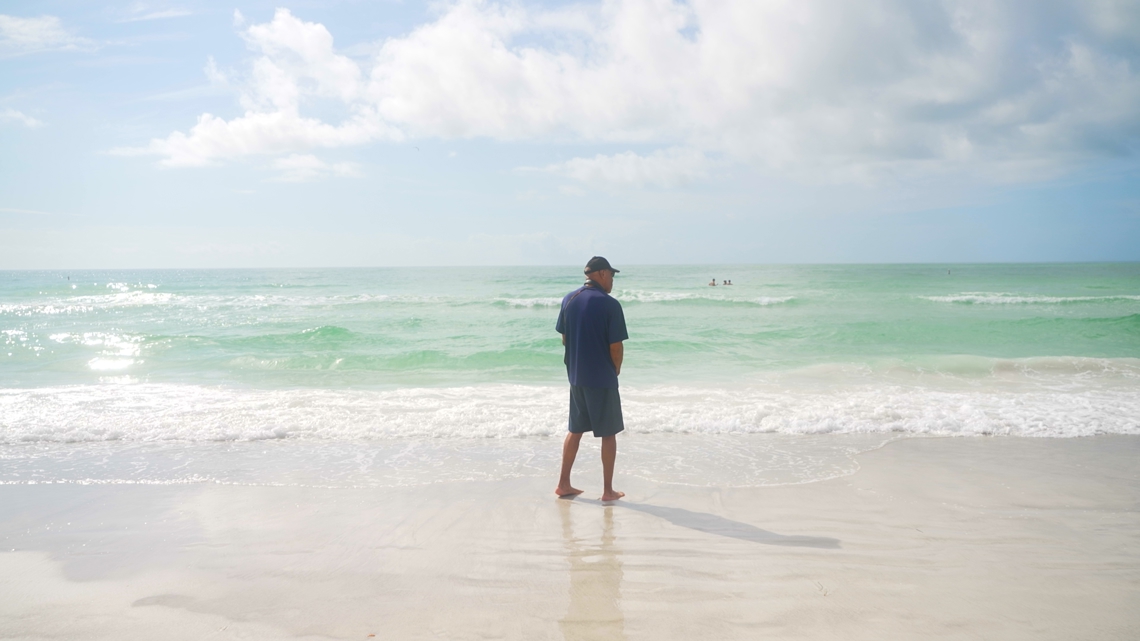
Florida's Pristine Beaches: A Turbulent Past of Racial Segregation. The Sunshine State's breathtaking coastline, renowned for its beauty, once harbored a dark secret. For decades, laws and social norms prohibited African Americans from accessing these public spaces. The battle for integration was fierce, marked by organized protests and strategic litigation that reached the United States Supreme Court. Rui Farias, executive director of the St. Petersburg Museum of History, lamented the lack of discussion about Tampa Bay's role in the Civil Rights Movement. "Rarely do you hear about Tampa Bay, which is unfortunate," he said. The Tampa Bay area was indeed a hub for protests, including sit-ins and connections to Freedom Riders. However, what set Florida apart was its extensive coastline. Miles of public beaches were segregated, sparking a unique chapter in the country's racial segregation narrative. Wade-ins, similar to sit-ins, became a form of protest. Groups of Black demonstrators would organize and visit whites-only beaches to challenge racial restrictions. One notable example was a series of wade-ins that began in October 1955 at Lido Beach in Sarasota County, led by Grimes. These courageous acts of defiance aimed to bring attention to the injustices faced
Florida's pristine beaches span hundreds of miles and are considered some of the most beautiful in the world.Looking to read more like this: Visit website



No comments:
Post a Comment